


Budgerigar on a mug
Budgerigar on a mug
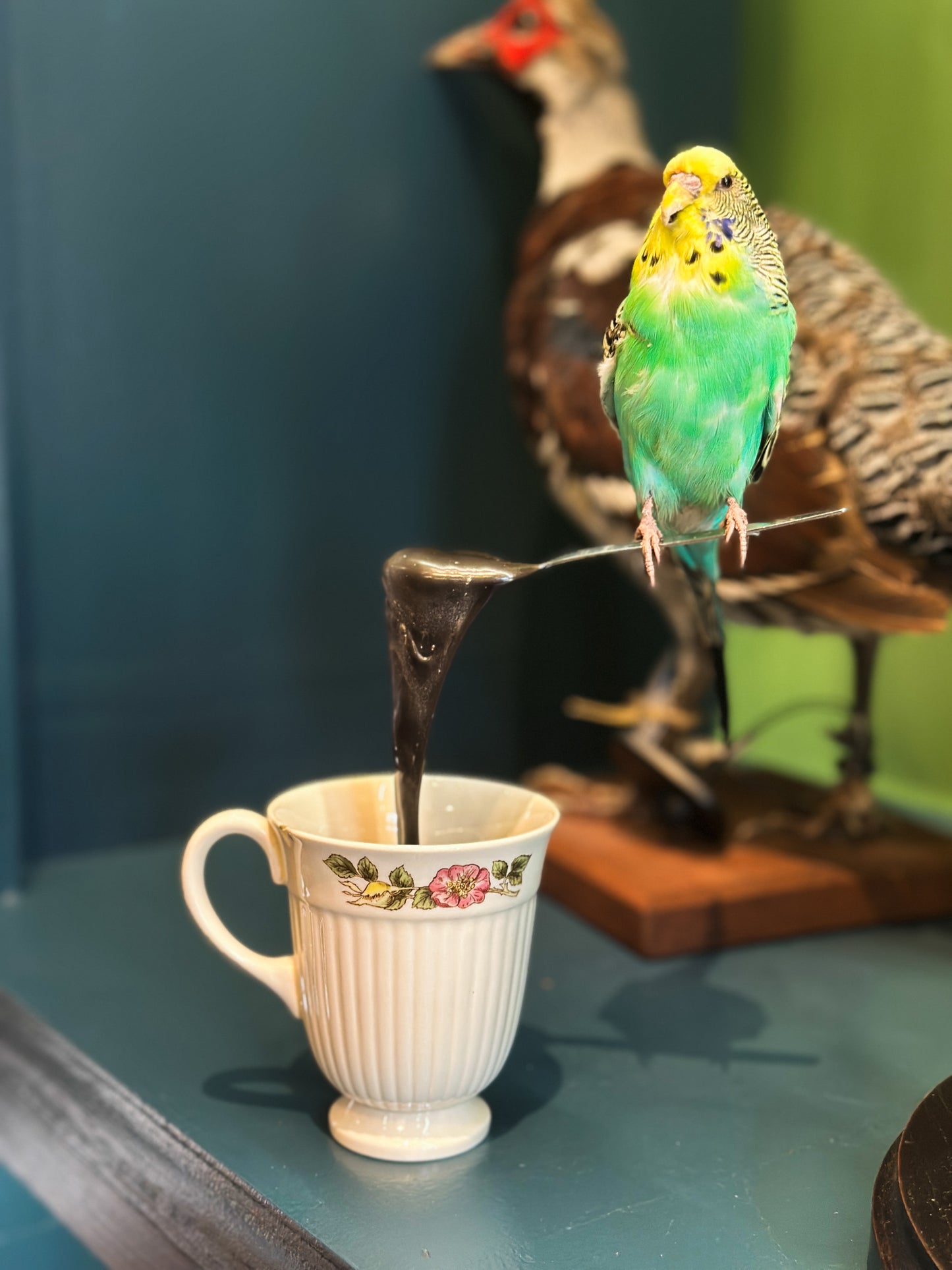
This unique artistic creation features a naturalized budgerigar (Melopsittacus undulatus), displaying a presence that is both poetic and surprising. The specimen, with its vibrant shades of green, yellow, and turquoise, is delicately perched on the handle of a levitating teaspoon.
A sculpture with a surreal aesthetic, the spoon appears to pour a continuous stream of shiny, solidified black coffee, which cleverly serves as an invisible support pillar. This flow of coffee plunges directly into the heart of an authentic vintage white porcelain cup adorned with a delicate floral pattern, as can be seen in the image. It is a bold work of art, masterfully combining the rigor of taxidermy with the magic of a trompe-l'œil sculpture.


Expertise
Taxidermy
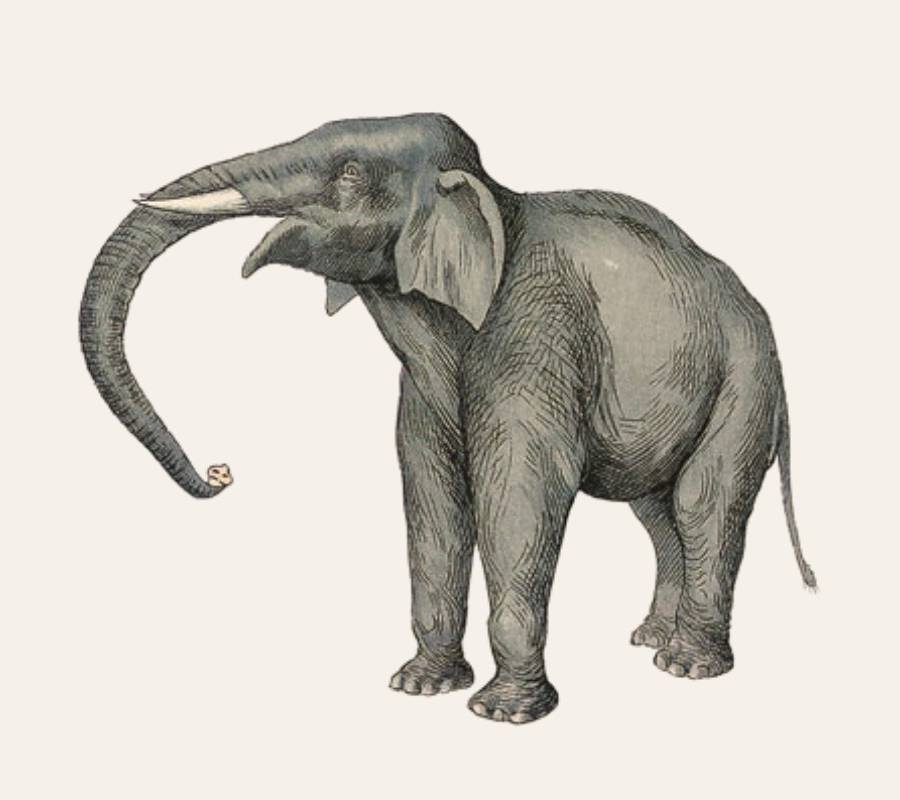
It is the art and science of preparing, preserving and mounting animals to present them in a realistic and aesthetic manner. Taxidermy is used to create stuffed specimens for museums, exhibitions, private collections or educational purposes. It requires in-depth knowledge of animal anatomy.
Expertise
Repair and restoration
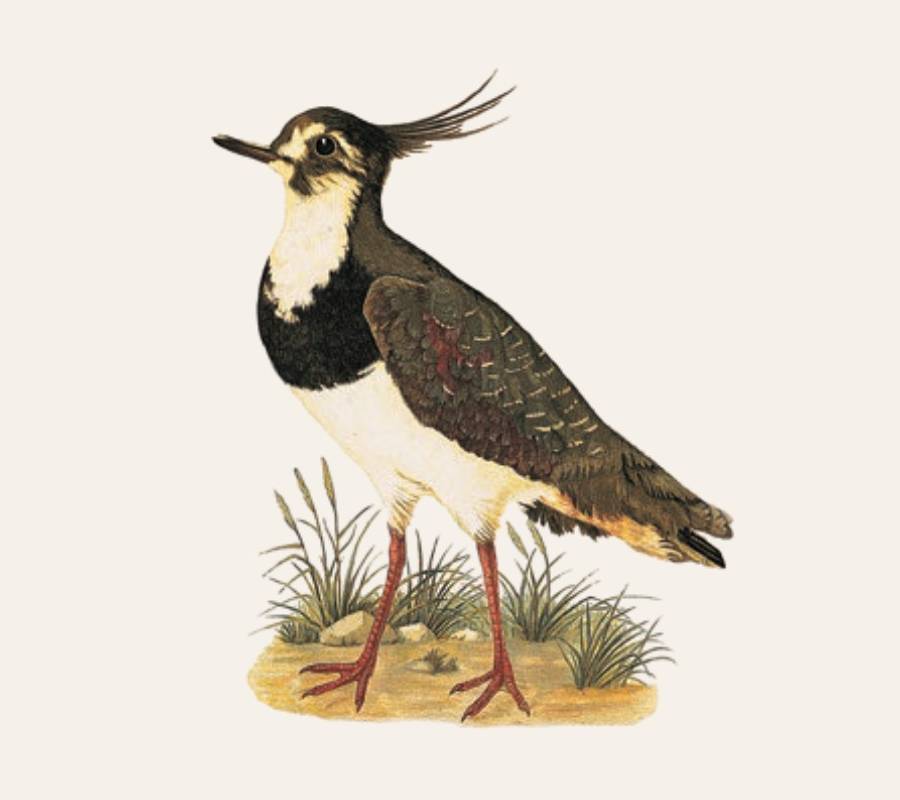
When stuffed animals suffer damage such as tears, discoloration or deformation, taxidermists intervene to return them to their original condition. The goal is to restore the appearance and integrity of the specimen ensuring that it maintains its realism and durability.
Expertise
Collection
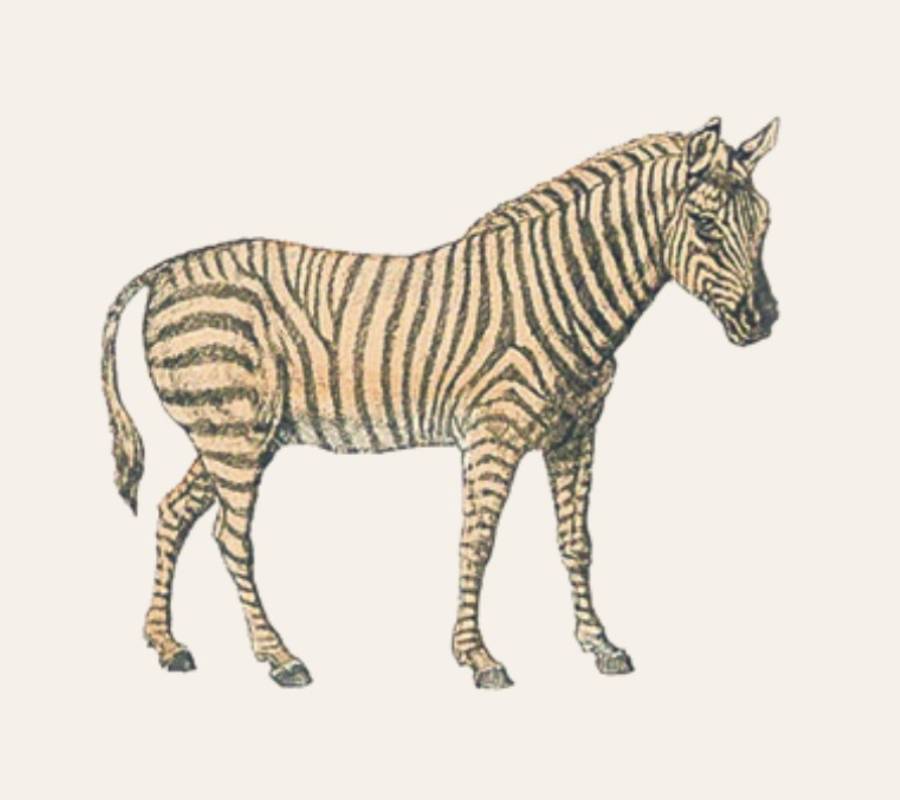
A taxidermy collection refers to a collection of stuffed animals that are collected and preserved for exhibition, study or research purposes. It can be used educationally by observers and for study or research by scientists.
expertise
Maintenance advice
The parts that leave our workshops are treated internally and externally against parasites, but this last treatment can fade over time.
Here are some maintenance tips: For feathered animals: Every six months, lightly wipe a cloth impregnated with essence C (organic solvent) using
protecting the skin with gloves.
For furry animals: Every six months, remove the dust with a hair dryer at low intensity and in the cold setting, and pass over the hair a cloth impregnated with essence C (organic solvent), protecting the skin with gloves.