


White-collared Martin
White-collared Martin
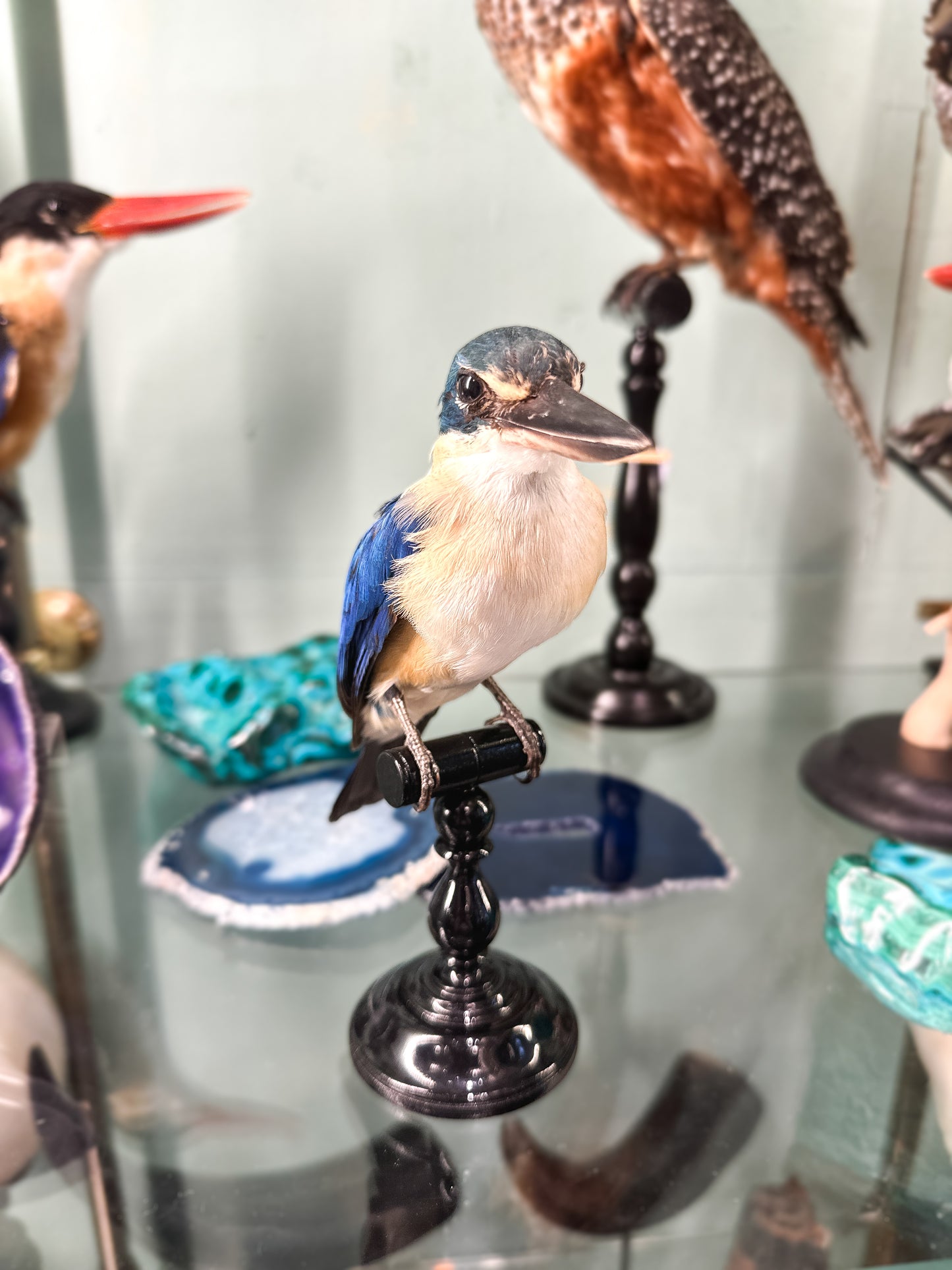
The Collared Kingfisher (Todiramphus chloris), a fascinating bird found mainly along the coasts and in the mangroves of a vast area stretching from the Red Sea to Australia, is presented here with great elegance, ideal for a cabinet of curiosities. Thanks to very careful taxidermy, this specimen highlights the unique brilliance of its plumage: a shimmering blue-turquoise head and wings, contrasting beautifully with its pure white breastplate and characteristic collar that gives it its name.
The bird is naturally mounted on a black wooden perch. This presentation highlights its compact silhouette, its proud posture and, above all, its long, robust beak, perfectly adapted to catching small crustaceans and fish, making this specimen a true collector's item.


Expertise
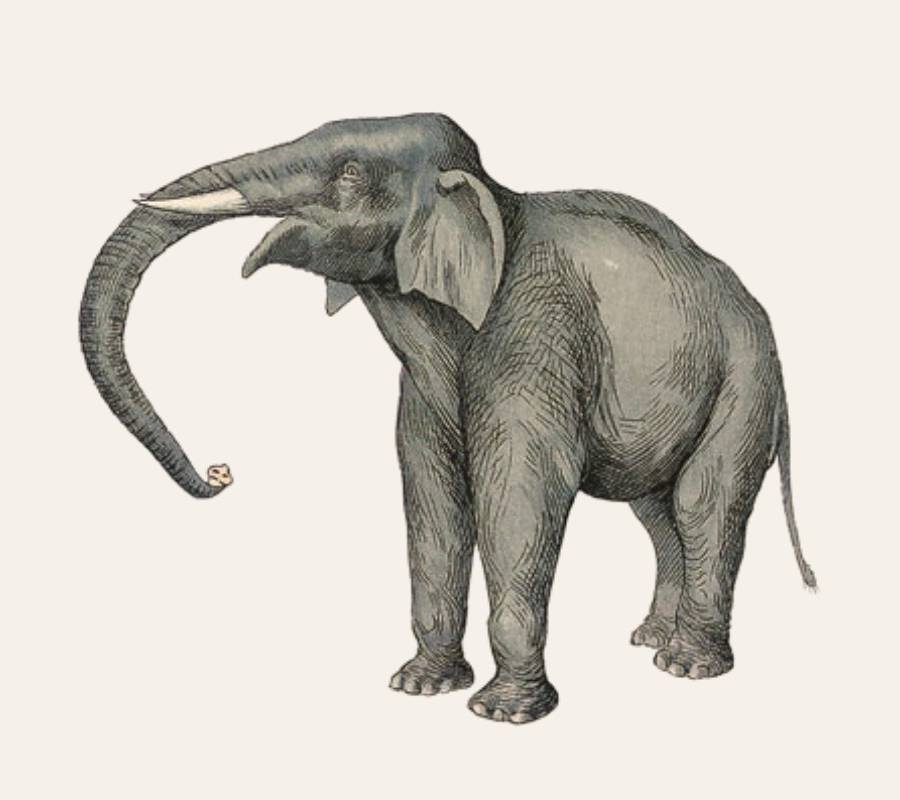
Taxidermy
It is the art and science of preparing, preserving and mounting animals to present them in a realistic and aesthetic manner. Taxidermy is used to create stuffed specimens for museums, exhibitions, private collections or educational purposes. It requires in-depth knowledge of animal anatomy.
Expertise
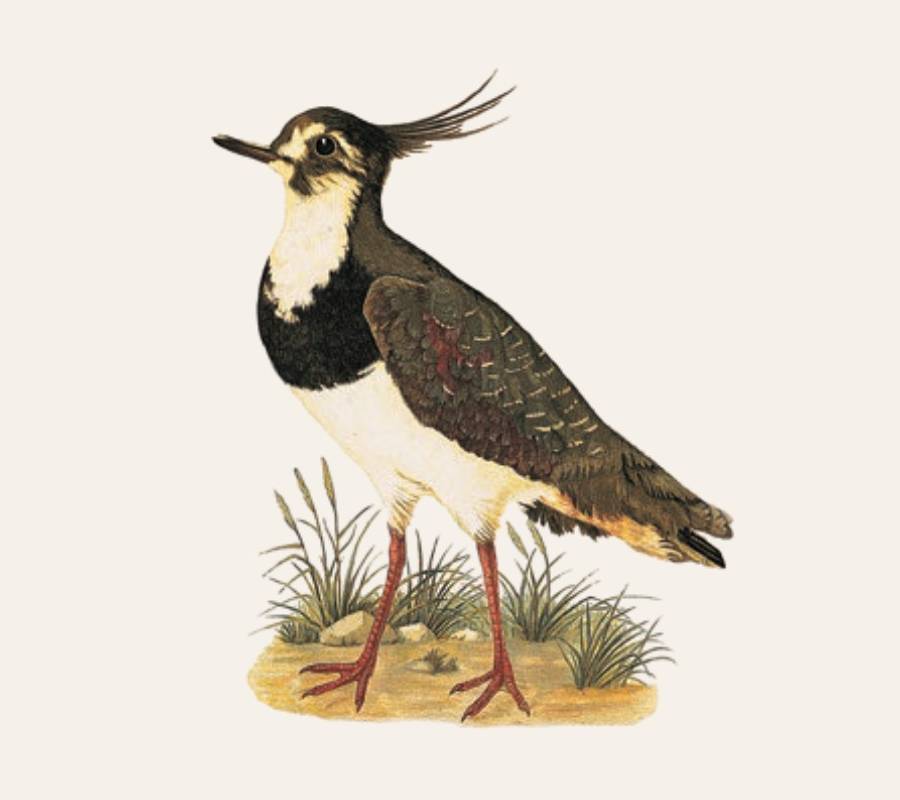
Repair and restoration
When stuffed animals suffer damage such as tears, discoloration or deformation, taxidermists intervene to return them to their original condition. The goal is to restore the appearance and integrity of the specimen ensuring that it maintains its realism and durability.
Expertise
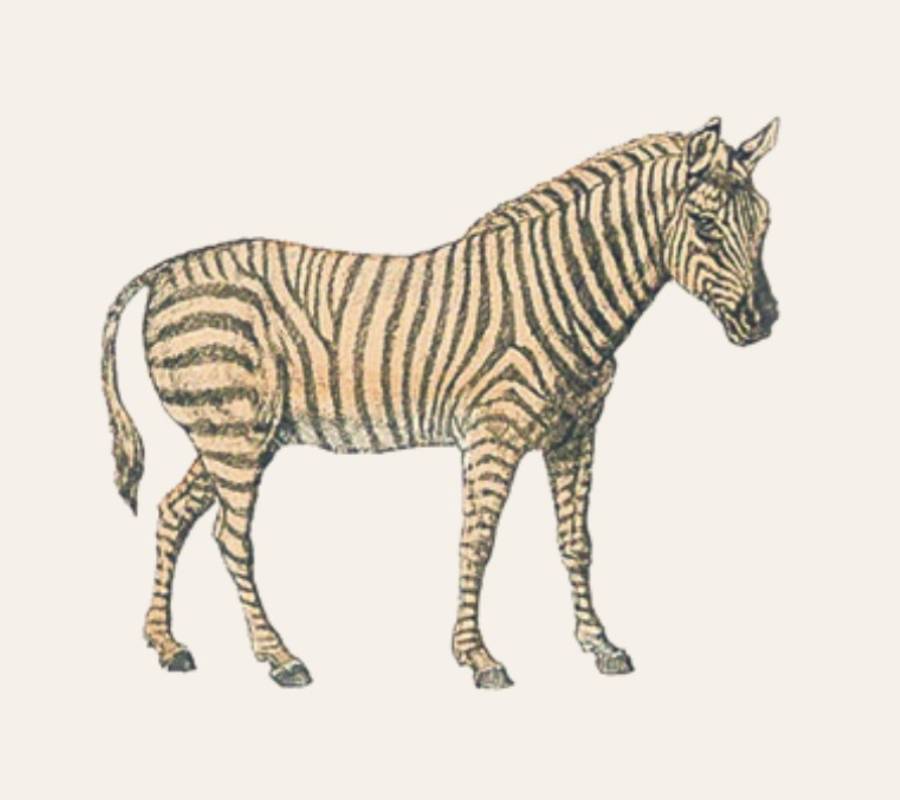
Collection
A taxidermy collection refers to a collection of stuffed animals that are collected and preserved for exhibition, study or research purposes. It can be used educationally by observers and for study or research by scientists.
expertise
Maintenance advice
The parts that leave our workshops are treated internally and externally against parasites, but this last treatment can fade over time.
Here are some maintenance tips: For feathered animals: Every six months, lightly wipe a cloth impregnated with essence C (organic solvent) using
protecting the skin with gloves.
For furry animals: Every six months, remove the dust with a hair dryer at low intensity and in the cold setting, and pass over the hair a cloth impregnated with essence C (organic solvent), protecting the skin with gloves.