


Napoleon spur
Napoleon spur
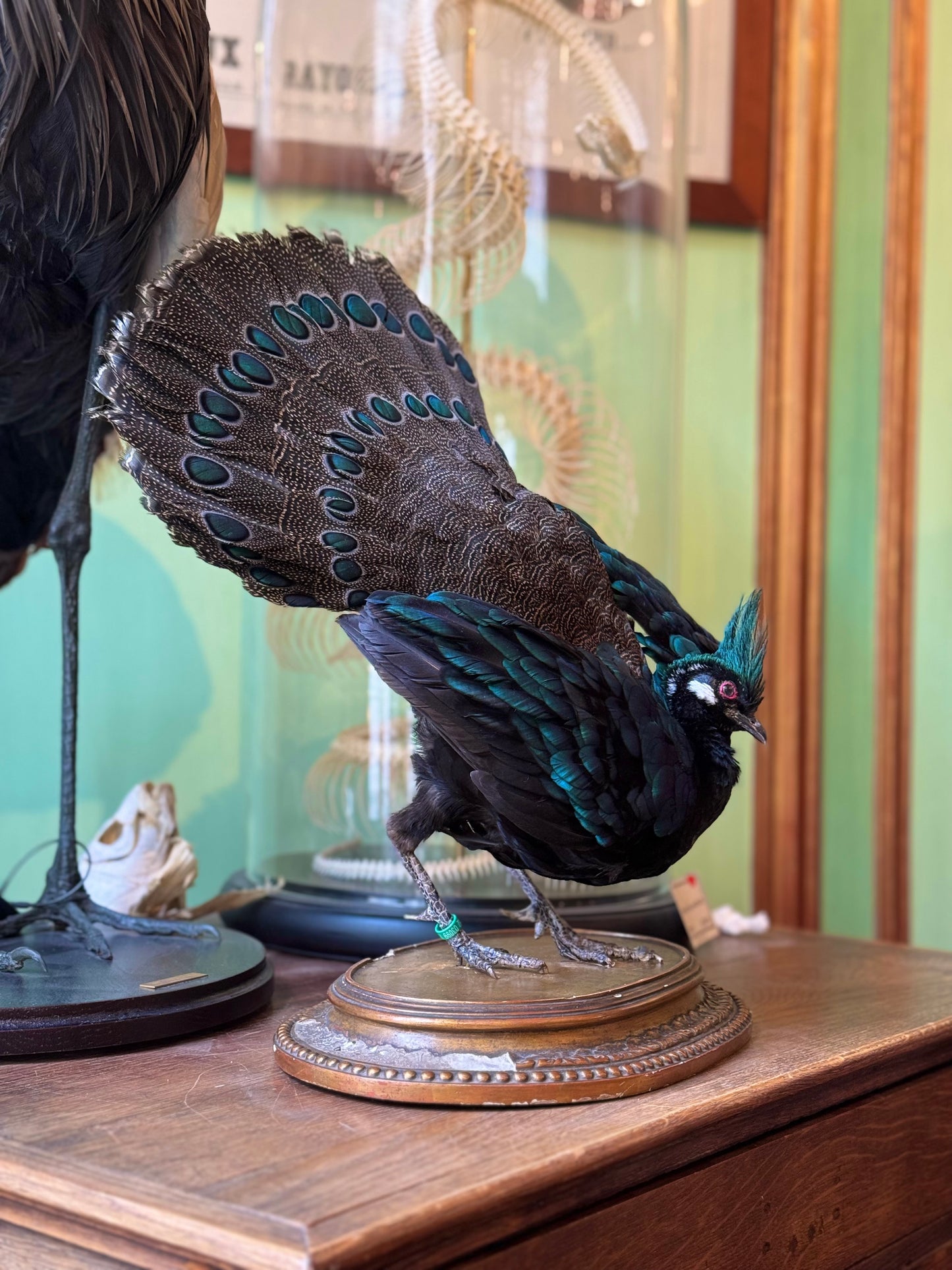
Naturalized in a courtship display posture, a ritual intended to seduce its chosen mate, this Napoleon spur-billed bird is resplendent. In the wild, when thus adorned, it seizes a fragment of food with its beak and places it before its partner as an offering.
This pheasant, measuring approximately 50 cm from head to tail, is endemic to the rainforests of Palawan in the Philippines. Males and females exhibit strong sexual dimorphism, with the male's magnificent plumage being entirely dedicated to attracting a mate. The blue ocelli on his tail echo the blue-green iridescence of his plumage. A bird as charming as it is impressive.


Expertise
Taxidermy
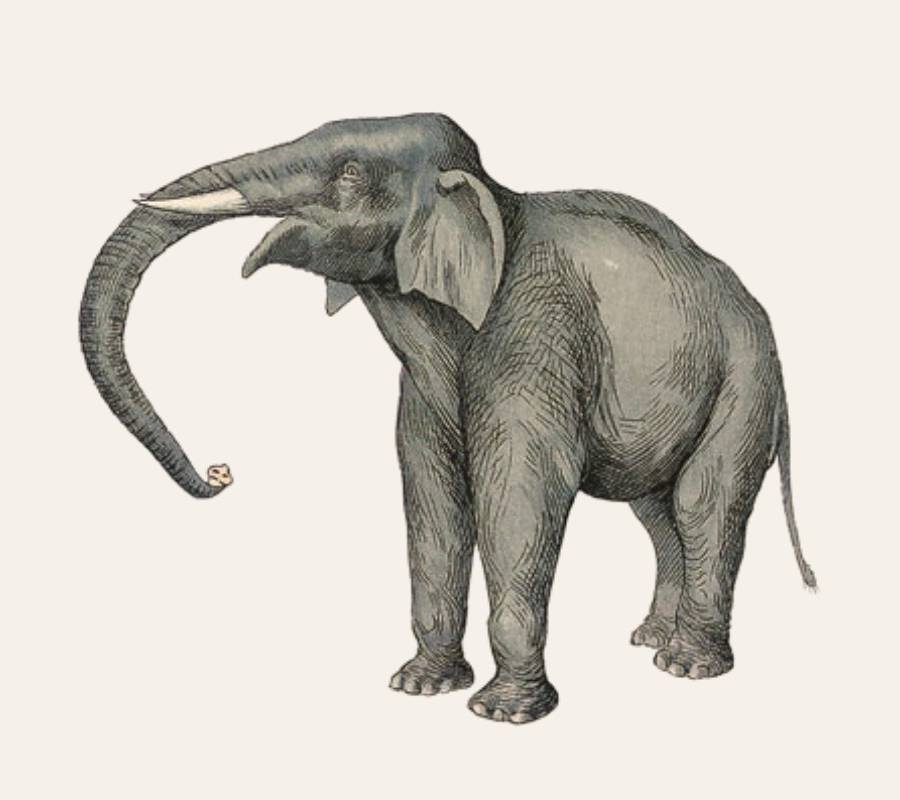
It is the art and science of preparing, preserving and mounting animals to present them in a realistic and aesthetic manner. Taxidermy is used to create stuffed specimens for museums, exhibitions, private collections or educational purposes. It requires in-depth knowledge of animal anatomy.
Expertise
Repair and restoration
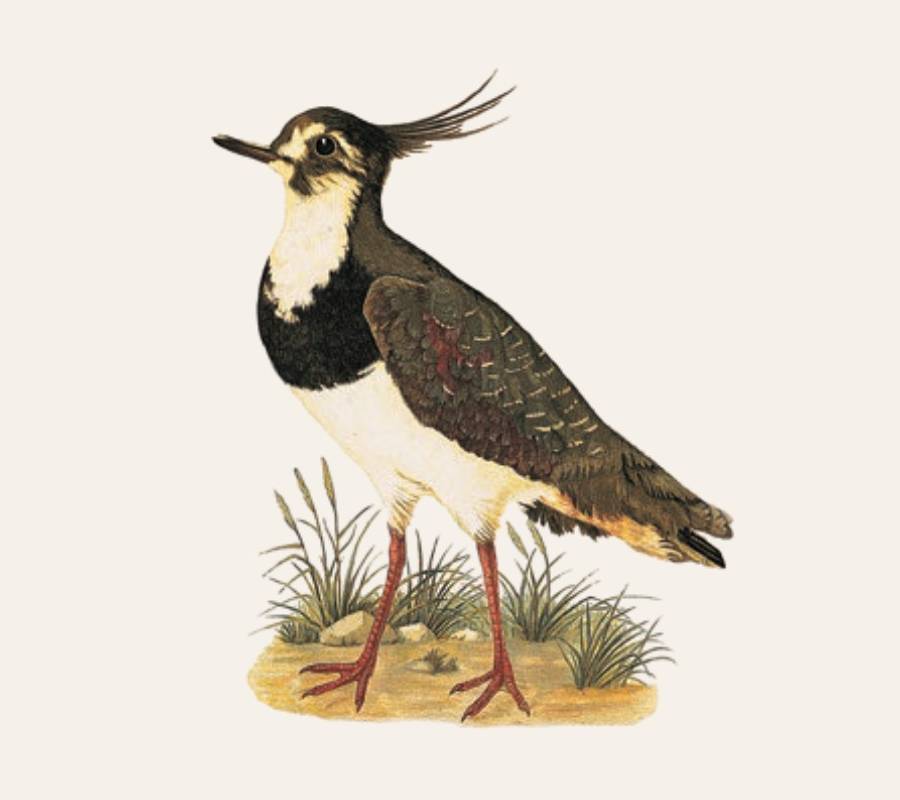
When stuffed animals suffer damage such as tears, discoloration or deformation, taxidermists intervene to return them to their original condition. The goal is to restore the appearance and integrity of the specimen ensuring that it maintains its realism and durability.
Expertise
Collection
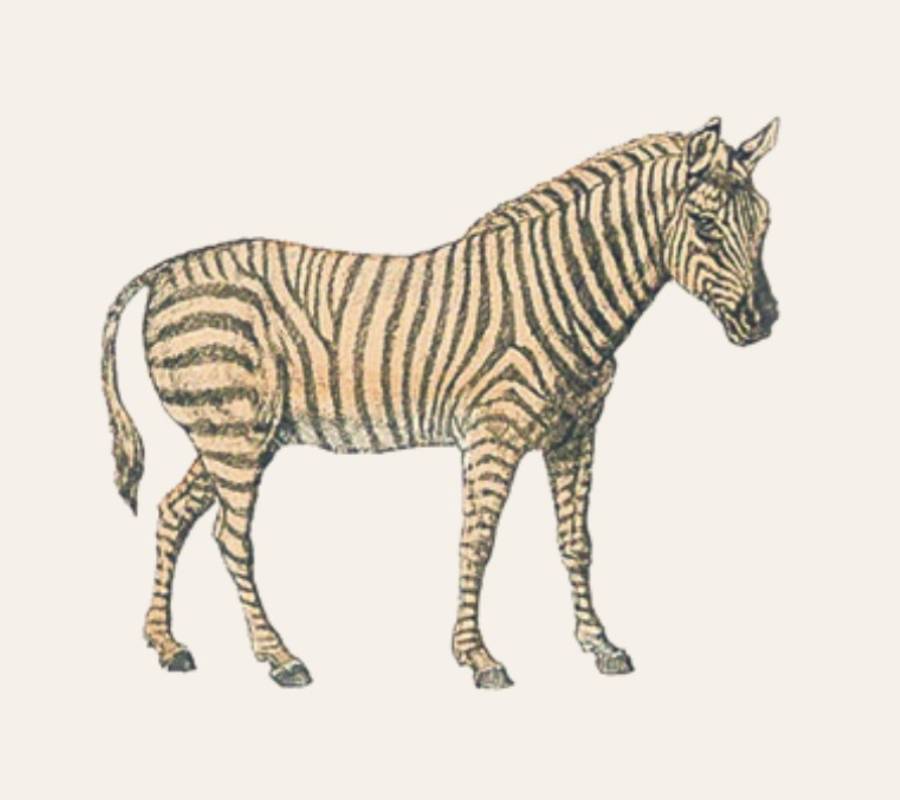
A taxidermy collection refers to a collection of stuffed animals that are collected and preserved for exhibition, study or research purposes. It can be used educationally by observers and for study or research by scientists.
expertise
Maintenance advice
The parts that leave our workshops are treated internally and externally against parasites, but this last treatment can fade over time.
Here are some maintenance tips: For feathered animals: Every six months, lightly wipe a cloth impregnated with essence C (organic solvent) using
protecting the skin with gloves.
For furry animals: Every six months, remove the dust with a hair dryer at low intensity and in the cold setting, and pass over the hair a cloth impregnated with essence C (organic solvent), protecting the skin with gloves.