


juvenile white-faced capuchin
juvenile white-faced capuchin
These particularly fragile parts are only available on this site as store pick-ups. If you would like delivery, please contact us for a quotation:
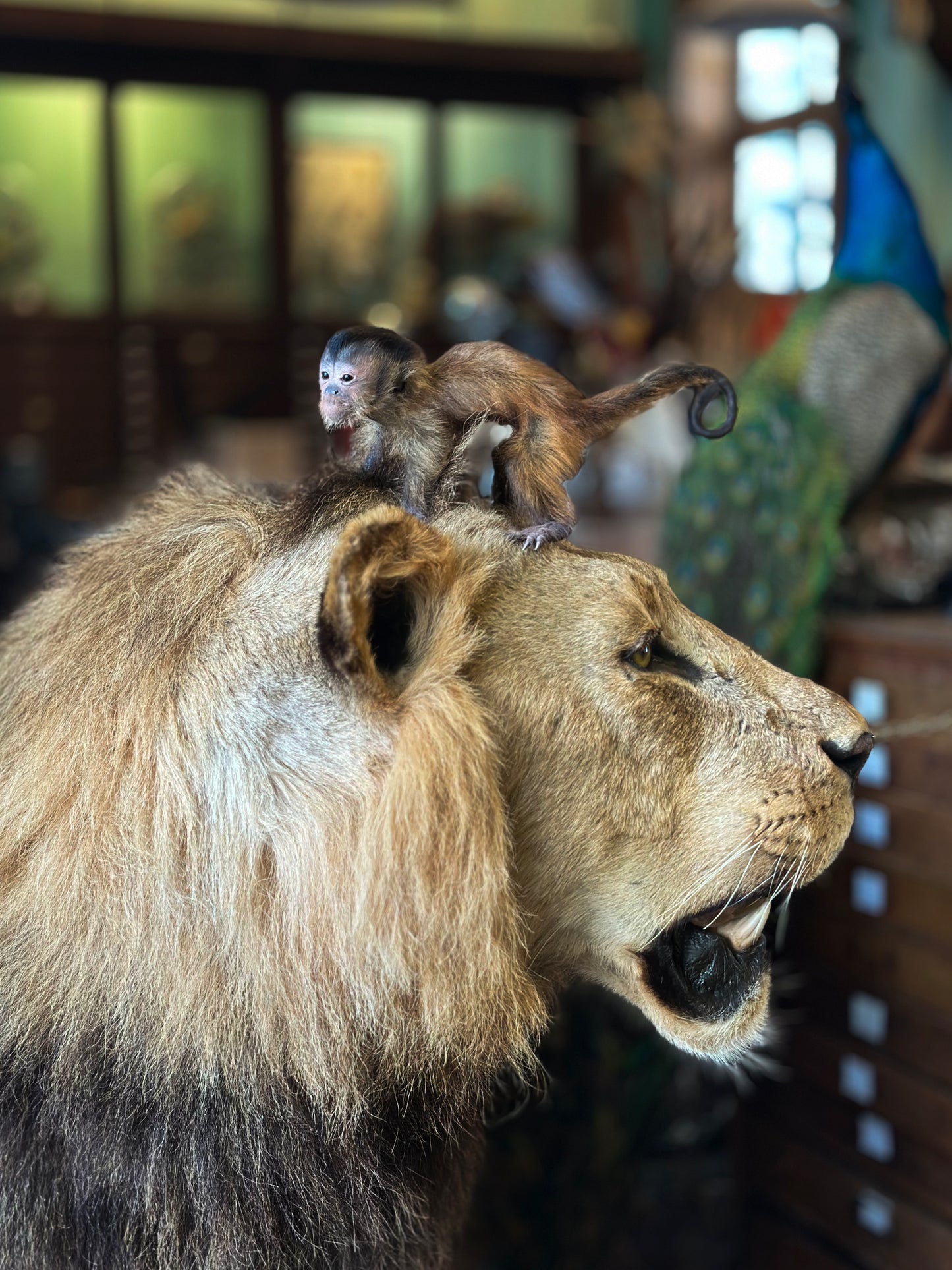
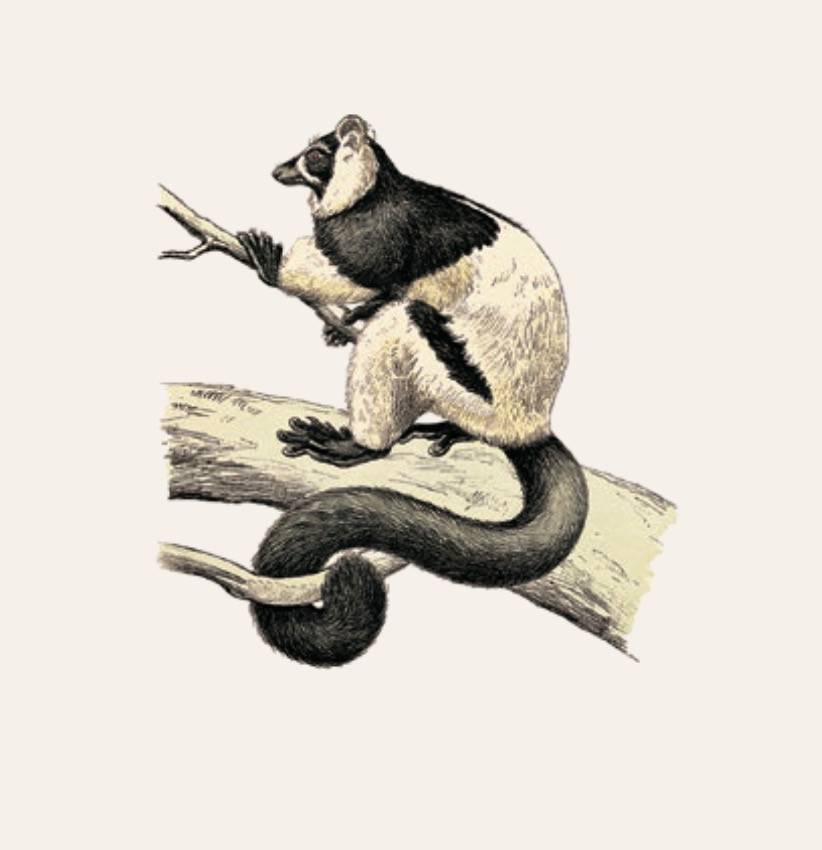
This juvenile White-faced Capuchin (Cebus capucinus), from one of the most vibrant and intelligent New World primate lineages in its family, is presented here with majestic presence. Its fur, a subtle blend of deep black on the body and immaculate cream white surrounding its face and shoulders, is perfectly preserved to illustrate the graphic contrasts so characteristic of this iconic species.
Perched on a natural wooden branch that highlights the suppleness of its limbs and the expressiveness of its young gaze, this specimen captures the sovereign elegance of this small traveler of the tropical forests.


Expertise
Taxidermy
It is the art and science of preparing, preserving and mounting animals to present them in a realistic and aesthetic manner. Taxidermy is used to create stuffed specimens for museums, exhibitions, private collections or educational purposes. It requires in-depth knowledge of animal anatomy.
Expertise
Repair and restoration
When stuffed animals suffer damage such as tears, discoloration or deformation, taxidermists intervene to return them to their original condition. The goal is to restore the appearance and integrity of the specimen ensuring that it maintains its realism and durability.
Expertise
Collection
A taxidermy collection refers to a collection of stuffed animals that are collected and preserved for exhibition, study or research purposes. It can be used educationally by observers and for study or research by scientists.
expertise
Maintenance advice
The parts that leave our workshops are treated internally and externally against parasites, but this last treatment can fade over time.
Here are some maintenance tips: For feathered animals: Every six months, lightly wipe a cloth impregnated with essence C (organic solvent) using
protecting the skin with gloves.
For furry animals: Every six months, remove the dust with a hair dryer at low intensity and in the cold setting, and pass over the hair a cloth impregnated with essence C (organic solvent), protecting the skin with gloves.